
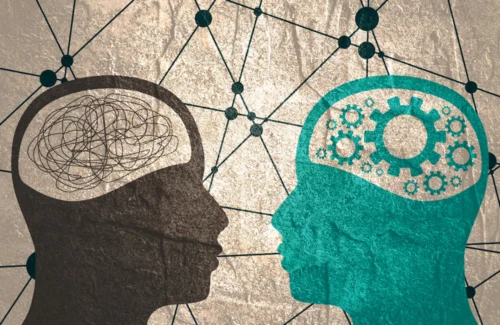
 Dual diagnosis refers to the co-occurrence of a mental health disorder and a substance abuse disorder. It is a complex condition that requires specialized treatment to address both the mental health and addiction aspects simultaneously. Finding the right dual diagnosis treatment center is crucial in achieving long-term recovery and managing both conditions effectively.
Located in the vibrant Mission Valley neighborhood of San Diego, California, Bayview Recovery Center’s dual diagnosis treatment center is dedicated to providing men with personalized care tailored to their unique needs and circumstances.
Our team of compassionate professionals understands that addiction and mental health issues are deeply interconnected, often requiring an integrated approach to treatment. By focusing on the “whole person,” we aim to address the underlying causes of addiction and mental illness to promote sustainable recovery and long-term sobriety.
Individuals with dual diagnosis face a complex journey towards recovery, as both their mental health and substance abuse issues need to be addressed simultaneously for effective treatment outcomes. It requires a comprehensive approach that considers the interplay between these two conditions and how they impact each other’s progression.
Types Of Co-Occurring Disorders
- Depression: Individuals with substance use disorders often experience major depressive disorder, characterized by persistent feelings of sadness, hopelessness, and loss of interest in daily activities.
- Anxiety disorders: This includes generalized anxiety disorder (GAD), panic disorder, and social anxiety disorder. These conditions can lead individuals to self-medicate with drugs or alcohol.
- Bipolar disorder: People with bipolar disorder, which involves episodes of mania and depression, are at a higher risk of developing substance abuse issues as they may use substances to manage their mood swings.
- Post-Traumatic Stress Disorder (PTSD): PTSD can occur after experiencing or witnessing traumatic events. Those with PTSD might turn to substances as a way to cope with the symptoms.
- Attention-Deficit/Hyperactivity Disorder (ADHD): Individuals with ADHD, particularly if untreated, may misuse substances in an attempt to manage their symptoms or improve concentration.
- Personality disorders: Borderline personality disorder (BPD) and antisocial personality disorder (ASPD) are often seen in conjunction with substance abuse. These disorders can lead to impulsive behaviors and difficulties in regulating emotions.
- Schizophrenia: Schizophrenia and other psychotic disorders can co-occur with substance abuse, complicating the course and treatment of both conditions.
- Eating disorders: Conditions such as anorexia nervosa, bulimia nervosa, and binge-eating disorder can co-occur with substance abuse, often due to issues related to body image, control, and coping mechanisms.
- Obsessive compulsive disorder (OCD): A mental health disorder defined by persistent, unwelcome thoughts (obsessions) and repetitive actions (compulsions) that an individual feels compelled to carry out.
Addressing both the mental health condition and substance use disorder simultaneously with an integrated treatment approach is crucial for effective recovery from dual diagnosis.
The Prevalence of Co-Occurring Disorders
Dual Diagnosis Signs and Symptoms
 Dual diagnosis occurs when a person experiences a mental health condition alongside a substance use disorder, and the symptoms of each can intensify the other. Common signs and symptoms of dual diagnosis may include:
- Mood changes such as persistent sadness, irritability, or emotional numbness
- Anxiety symptoms, including excessive worry, panic attacks, or restlessness
- Substance use to cope with stress, emotions, or mental health symptoms
- Increased tolerance or dependence on drugs or alcohol
- Difficulty concentrating, making decisions, or managing daily responsibilities
- Changes in sleep or appetite, including insomnia or oversleeping
- Withdrawal from relationships, work, or previously enjoyed activities
- Unexplained physical symptoms such as fatigue, headaches, or stomach issues
- Continued substance use despite negative emotional, physical, or social consequences
Recognizing these signs early can help individuals seek comprehensive treatment that addresses both mental health and substance use concerns.
Why Do Dual Diagnosis Disorders Often Go Untreated?
 Dual diagnosis disorders often go untreated because the symptoms of mental health conditions and substance use disorders can overlap, making it difficult to identify both issues at the same time. Individuals may seek help for anxiety, depression, or mood changes without realizing that substance use is contributing to or worsening their symptoms, while others may focus only on substance use and overlook underlying mental health concerns.
Stigma also plays a significant role. Fear of judgment, shame, or misunderstanding can prevent people from seeking help or being fully honest about their substance use or mental health struggles. In some cases, treatment systems are fragmented, with mental health and addiction services offered separately, leading to gaps in care. Limited access to integrated treatment, lack of awareness about dual diagnosis, and misdiagnosis further contribute to delays in receiving comprehensive, coordinated support.
Dual Diagnosis Treatment
By recognizing the connection between these conditions, integrated intervention aims to address them concurrently through a combination of individual and group therapy sessions, psychoeducation, and pharmacotherapy. This comprehensive strategy not only targets the symptoms but also delves into the root causes of the co-occurring disorders, promoting long-term recovery and wellness.
Integrated intervention involves the simultaneous treatment of both mental health and substance abuse disorders. This approach recognizes how these disorders interact and aims to address them concurrently through therapy, which can include medication-assisted therapy.
Medication management is a critical aspect of dual diagnosis treatment, vitally supporting individuals on their path to recovery.
Psychiatrists and healthcare professionals specializing in addiction medicine may prescribe medications to help manage psychiatric symptoms and reduce cravings or withdrawal symptoms associated with substance abuse.
- Antidepressants: SSRIs like fluoxetine (Prozac) and sertraline (Zoloft), and SNRIs like venlafaxine (Effexor), are commonly prescribed to stabilize mood and alleviate symptoms of depression and anxiety, which frequently co-occur with substance use disorders.
- Antipsychotics: Olanzapine (Zyprexa), risperidone (Risperdal), and aripiprazole (Abilify) are used to manage psychotic symptoms like hallucinations and delusions, providing stability that aids recovery from substance abuse.
- Mood stabilizers: Lithium, valproate (Depakote), and lamotrigine (Lamictal) help to balance the extreme mood swings associated with bipolar disorder, thus reducing the need for self-medication with substances.
- Anti-anxiety medications: Buspirone (Buspar) and benzodiazepines, such as diazepam (Valium) and lorazepam (Ativan), are used to alleviate severe anxiety, though benzodiazepines are prescribed cautiously due to their potential for addiction.
Medication-assisted treatment (MAT) for substance use disorders includes methadone, buprenorphine (Suboxone), and naltrexone for opioid use disorder; acamprosate, disulfiram (Antabuse), and naltrexone for alcohol use disorder; and nicotine replacement therapies, bupropion (Zyban), and varenicline (Chantix) for nicotine addiction. MAT helps to normalize brain chemistry, block the euphoric effects of substances, relieve cravings, and normalize body functions without the negative effects of the abused drug.
Psychotherapeutic strategies are integral to the success of dual diagnosis treatment programs. Dual diagnosis treatment centers utilize various therapeutic approaches to address the underlying causes and triggers of behavioral health disorders. Cognitive-behavioral therapy (CBT), dialectical behavior therapy (DBT), and family therapy are commonly employed techniques. These evidence-based therapies assist individuals in developing healthy coping mechanisms, regulating emotions, and improving communication and relationship skills, ultimately fostering sustainable recovery and emotional well-being.
The Role of Family in Dual Diagnosis Treatment
Family members play a significant role in providing support and understanding to their loved ones with dual diagnosis. They can participate in family support groups, attend educational sessions about mental health and addiction, and learn healthy communication and coping strategies.
Family can also assist in identifying triggers or warning signs of relapse, offering a crucial layer of accountability and care. By being actively engaged in the treatment process, families can better understand the challenges their loved ones face and provide tailored support to help them navigate recovery successfully.
Family therapy is often an integral part of dual diagnosis treatment. It focuses on improving family dynamics, addressing codependency issues, and teaching the family members how to support their loved one’s recovery while taking care of their own needs.
Through family therapy sessions, families can explore underlying issues that may have contributed to the development of dual diagnosis, fostering a deeper sense of empathy and connection. This collaborative approach not only benefits the individual receiving treatment but also strengthens the family unit as a whole, promoting long-term healing and resilience.
Dual Diagnosis Treatment FAQs
The most effective treatment for dual diagnosis is integrated treatment, a coordinated approach where a single team provides simultaneous care for both the mental health and substance use disorders. This model combines psychiatric medication (chosen carefully for safety and efficacy), evidence-based therapies like Cognitive Behavioral Therapy (CBT) and Dialectical Behavior Therapy (DBT), and comprehensive support services (e.g., housing, vocational help).
By treating the interconnected conditions together in a tailored, long-term plan, integrated treatment addresses the root causes, improves engagement, and significantly reduces the risk of relapse compared to treating each disorder separately.
Integrated treatment involves a coordinated team providing concurrent intervention for both disorders within the same treatment program. This is crucial because separate, parallel treatments such as sending a patient to rehab and a different clinic for depression often fail. Integrated care ensures therapies are synergistic, addresses the root causes, and provides consistent messaging, greatly improving outcomes and stability.
Support someone with a dual diagnosis by encouraging professional, integrated treatment that addresses both conditions simultaneously. Practice patience and empathy, educate yourself on their disorders, and help them access practical support while setting healthy boundaries. Avoid blame and focus on their long-term stability.
There is no single answer; the relationship is complex and bidirectional. Sometimes, individuals with untreated mental health symptoms use substances to “self-medicate”. In other cases, chronic substance abuse can alter brain chemistry and trigger or exacerbate an underlying mental health condition. Often, shared risk factors like genetics and trauma contribute to both.


Alyssa Looser-Smith (Medical Reviewer)
Alyssa is a licensed Clinical Social Worker and received her Master’s degree from San Diego State University. She has experience working with individuals in recovery of all ages for over eight years. Alyssa has also worked with at-risk homeless foster youth transitioning into independent living along with the families in the neonatal intensive care unit at UCSD.

