
Trauma bond withdrawal symptoms are real, and they can feel just as intense as withdrawing from a substance. When someone leaves a harmful relationship built on cycles of abuse and intermittent affection, the brain and nervous system can respond with anxiety, intrusive thoughts, cravings for contact, sleep problems, and mood changes. These symptoms can occur because the bond has created a powerful pattern of stress, relief, and emotional dependency, making separation feel overwhelming.

These symptoms are not a sign of weakness. They can reflect how deeply the nervous system has adapted to an unpredictable relationship. Bayview Recovery Center, located in San Diego, California, is committed to helping men and LGBTQ+ individuals address the psychological effects of trauma bonding and substance use disorders that may develop alongside trauma. For men navigating both at once, understanding the connection is the first step toward recovery.

Trauma Bond Withdrawal Symptoms

When a trauma bond is broken, the body and mind can experience significant distress that may resemble aspects of withdrawal. The brain and nervous system have become accustomed to cycles of tension and relief, and when that cycle stops, the resulting emotional response can be intense.

Common trauma bond withdrawal symptoms include:

  • Intense anxiety or panic, especially when contact is cut off
  • Cravings to reach out, check in, or return to the person
  • Intrusive thoughts or replaying memories of the relationship
  • Difficulty sleeping or staying asleep
  • Mood changes, including sudden sadness, anger, or numbness
  • Physical symptoms such as fatigue, appetite changes, or chest tightness

According to SAMHSA’s trauma-informed care resources, traumatic stress can affect the body’s stress-response systems, which helps explain why leaving a harmful relationship can produce both emotional and physical symptoms. These symptoms typically become easier to manage with time, safety, social support, and professional care.

What Is a Trauma Bond?

A trauma bond is a strong emotional attachment that can develop between a person and someone who causes them harm. It can develop through repeated cycles of abuse, tension, reconciliation, and temporary relief. The bond may be reinforced by fear, dependency, and unpredictable moments of warmth or affection.

Trauma bonding is not the same as a healthy relationship, even though the emotional intensity can feel similar. Healthy relationships are generally built on safety, consistency, trust, and mutual respect. A trauma bond can instead involve fear, hypervigilance, and emotional dependency. The person may begin associating moments of relief or affection with safety, creating a powerful pull that can make leaving difficult.

How Do Trauma Bonds Develop?

Trauma bonds can develop through a pattern known as intermittent reinforcement, in which harmful behavior and affection or positive treatment alternate unpredictably. The unpredictability can reinforce attachment and keep a person focused on receiving the next period of warmth, approval, or relief.

Over time, the cycle of tension, abuse, apology, and temporary calm can become familiar. The person may begin to normalize the pattern, while leaving can feel frightening or emotionally overwhelming.

Is a Trauma Bond the Same as Love?

A trauma bond is not the same as a healthy, mutually supportive relationship, even though the emotional intensity can feel similar. Healthy love involves safety, respect, consistency, and the freedom to maintain personal boundaries. A trauma bond can involve hypervigilance, fear of abandonment, and emotional dependency rooted in an ongoing cycle of harm and relief.

People in trauma bonds may describe feeling unable to stop thinking about the other person, even when they recognize that the relationship is harmful. These reactions can be influenced by prolonged stress and emotional conditioning and are not a character flaw.

How Do Trauma Bonds and Addiction Reinforce Each Other?

Trauma bonds and addiction can involve overlapping patterns of craving, distress, temporary relief, and repeated behavior. When trauma and substance use occur together, each can make the other more difficult to address.

According to the National Institute on Drug Abuse (NIDA), stress is an important trigger for substance use and relapse. A harmful relationship can become a chronic source of stress, which may lead some people to use drugs or alcohol as a way of coping with emotional distress.

Can Substance Use Intensify Emotional Dependency?

Substances such as alcohol, opioids, and stimulants affect the brain’s reward and stress systems. When substance use occurs within the context of a harmful relationship, the relationship and substance use may become associated with emotional relief.

NIDA research on stress and addiction shows that stress can contribute to substance use and relapse. Over time, this can create a cycle in which relationship-related distress contributes to substance use, while substance use can create additional physical, emotional, and relationship problems.

What Treatments Help Break a Trauma Bond and Support Recovery?

Breaking a trauma bond requires more than willpower or simply creating distance from the relationship. Professional support can help individuals address trauma, develop healthy coping skills, establish boundaries, and treat any co-occurring substance use or mental health conditions.

Treatment can address trauma and addiction together when both are present. Trauma-informed care emphasizes safety, trust, collaboration, empowerment, and avoiding practices that could retraumatize the person receiving treatment.

What Is Trauma-Informed Addiction Treatment?

Trauma-informed addiction treatment recognizes how past trauma can affect a person’s relationship with substances, relationships, and recovery. It does not require someone to process every traumatic event before beginning addiction treatment. Instead, it emphasizes safety, trust, coping skills, and individualized care alongside treatment for substance use.

SAMHSA identifies key principles of trauma-informed care, including safety, trustworthiness, peer support, collaboration, empowerment, and cultural considerations. Programs that follow this framework are designed to create a supportive environment while reducing the risk of retraumatization. Bayview Recovery Center’s mental health treatment programs provide support for men and LGBTQ+ clients in San Diego.

How Do CBT and DBT Help With Trauma Bonding?

Cognitive behavioral therapy (CBT) can help individuals identify thought patterns and behaviors that keep them connected to harmful situations. It can help people challenge distorted beliefs, develop healthier coping strategies, and recognize patterns that contribute to emotional distress.

Dialectical behavior therapy (DBT) provides skills for emotional regulation, distress tolerance, mindfulness, and interpersonal effectiveness. These skills can be useful for people experiencing intense emotions while separating from an unhealthy relationship or addressing co-occurring substance use.
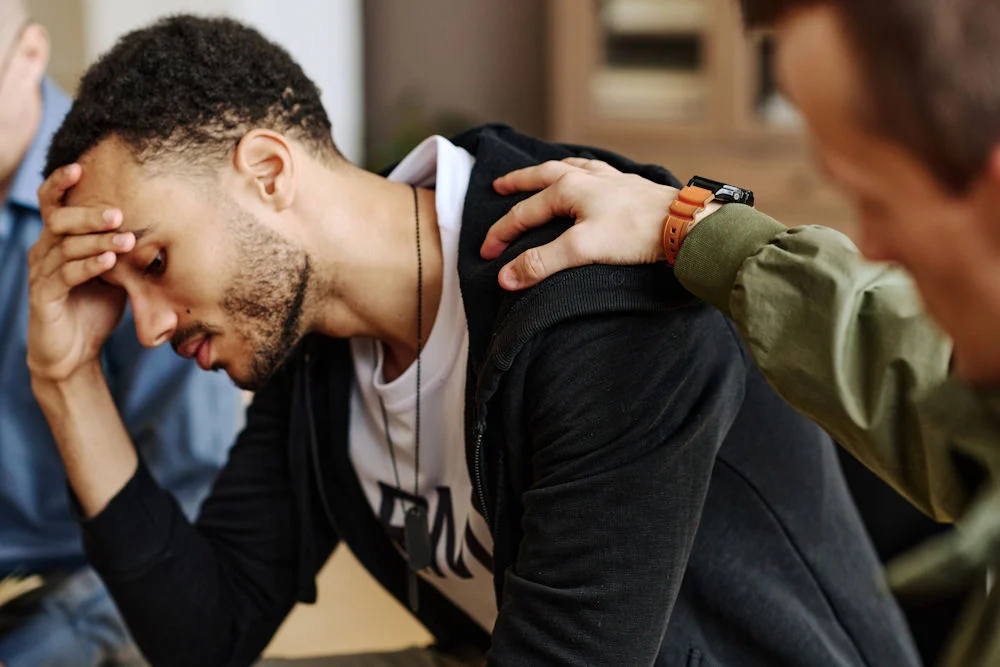
treatment for ptsd in teens

How Does Bayview Recovery Center Help Men Heal From Trauma Bonds?

Bayview Recovery Center in San Diego offers programs for men and LGBTQ+ individuals dealing with addiction and co-occurring mental health concerns, including trauma-related challenges. The center is accredited by The Joint Commission, licensed by the California State Department of Health, and certified through LegitScript.

Programs available include outpatient treatment, partial hospitalization, intensive outpatient, dual diagnosis treatment, sober living, and aftercare. Therapeutic approaches include individual therapy, group therapy, experiential therapy, yoga, music therapy, wilderness therapy, relapse prevention, and 12-step and SMART Recovery support.

This range of options allows treatment to be matched to where a person is in their recovery rather than applying a single format to everyone. Explore holistic therapy options at Bayview Recovery Center to learn more about approaches that may complement trauma and addiction recovery.

Trauma Bond Withdrawal FAQs

Yes. Ending a trauma bond can lead to significant emotional distress, including anxiety, insomnia, intrusive thoughts, mood changes, and strong urges to reconnect with the person. These reactions can be related to prolonged stress, emotional conditioning, and the disruption of an established relationship pattern.

There is no fixed timeline for breaking a trauma bond. The process depends on factors such as the length and intensity of the relationship, the person’s safety and support system, co-occurring mental health conditions, and access to professional support. Ongoing therapy can help individuals develop healthier coping strategies and relationship patterns.

Several therapeutic approaches may help people address trauma bonding and co-occurring addiction. CBT can help identify unhealthy thought and behavior patterns, while DBT can provide skills for emotional regulation and distress tolerance. Trauma-informed individual therapy and group support may also be incorporated into an individualized treatment plan.

Bayview Recovery Center accepts TriWest, out-of-network insurance plans, private pay, and offers sliding scale fees and payment assistance. Individuals are encouraged to contact the admissions team directly to confirm what their specific plan covers.

Bayview Recovery Center in San Diego provides addiction and mental health treatment for men and LGBTQ+ individuals. The center offers multiple levels of care, including outpatient treatment, partial hospitalization, intensive outpatient treatment, dual diagnosis treatment, sober living, and aftercare.

Heal From Trauma at Bayview Recovery Center

Men and LGBTQ+ individuals in San Diego who are dealing with trauma bonds and addiction do not have to navigate recovery alone. Bayview Recovery Center accepts TriWest insurance, out-of-network plans, private pay, and offers sliding scale and payment assistance options. The first step is a conversation with the admissions team, who can help clarify what level of care may fit and what coverage may apply.

Contact Bayview Recovery Center to start your recovery journey today.

Accessibility Toolbar


What Is a Trauma Bond? Understanding the Connection Between Trauma and Addiction

Trauma bond withdrawal symptoms are real, and they can feel just as intense as withdrawing from a substance. When someone leaves a harmful relationship built on cycles of abuse and intermittent affection, the brain and nervous system can respond with anxiety, intrusive thoughts, cravings for contact, sleep problems, and mood changes. These symptoms can occur because the bond has created a powerful pattern of stress, relief, and emotional dependency, making separation feel overwhelming.

These symptoms are not a sign of weakness. They can reflect how deeply the nervous system has adapted to an unpredictable relationship. Bayview Recovery Center, located in San Diego, California, is committed to helping men and LGBTQ+ individuals address the psychological effects of trauma bonding and substance use disorders that may develop alongside trauma. For men navigating both at once, understanding the connection is the first step toward recovery.

Trauma Bond Withdrawal Symptoms

When a trauma bond is broken, the body and mind can experience significant distress that may resemble aspects of withdrawal. The brain and nervous system have become accustomed to cycles of tension and relief, and when that cycle stops, the resulting emotional response can be intense.

Common trauma bond withdrawal symptoms include:

  • Intense anxiety or panic, especially when contact is cut off
  • Cravings to reach out, check in, or return to the person
  • Intrusive thoughts or replaying memories of the relationship
  • Difficulty sleeping or staying asleep
  • Mood changes, including sudden sadness, anger, or numbness
  • Physical symptoms such as fatigue, appetite changes, or chest tightness

According to SAMHSA's trauma-informed care resources, traumatic stress can affect the body's stress-response systems, which helps explain why leaving a harmful relationship can produce both emotional and physical symptoms. These symptoms typically become easier to manage with time, safety, social support, and professional care.

What Is a Trauma Bond?

A trauma bond is a strong emotional attachment that can develop between a person and someone who causes them harm. It can develop through repeated cycles of abuse, tension, reconciliation, and temporary relief. The bond may be reinforced by fear, dependency, and unpredictable moments of warmth or affection.

Trauma bonding is not the same as a healthy relationship, even though the emotional intensity can feel similar. Healthy relationships are generally built on safety, consistency, trust, and mutual respect. A trauma bond can instead involve fear, hypervigilance, and emotional dependency. The person may begin associating moments of relief or affection with safety, creating a powerful pull that can make leaving difficult.

How Do Trauma Bonds Develop?

Trauma bonds can develop through a pattern known as intermittent reinforcement, in which harmful behavior and affection or positive treatment alternate unpredictably. The unpredictability can reinforce attachment and keep a person focused on receiving the next period of warmth, approval, or relief.

Over time, the cycle of tension, abuse, apology, and temporary calm can become familiar. The person may begin to normalize the pattern, while leaving can feel frightening or emotionally overwhelming.

Is a Trauma Bond the Same as Love?

A trauma bond is not the same as a healthy, mutually supportive relationship, even though the emotional intensity can feel similar. Healthy love involves safety, respect, consistency, and the freedom to maintain personal boundaries. A trauma bond can involve hypervigilance, fear of abandonment, and emotional dependency rooted in an ongoing cycle of harm and relief.

People in trauma bonds may describe feeling unable to stop thinking about the other person, even when they recognize that the relationship is harmful. These reactions can be influenced by prolonged stress and emotional conditioning and are not a character flaw.

How Do Trauma Bonds and Addiction Reinforce Each Other?

Trauma bonds and addiction can involve overlapping patterns of craving, distress, temporary relief, and repeated behavior. When trauma and substance use occur together, each can make the other more difficult to address.

According to the National Institute on Drug Abuse (NIDA), stress is an important trigger for substance use and relapse. A harmful relationship can become a chronic source of stress, which may lead some people to use drugs or alcohol as a way of coping with emotional distress.

Can Substance Use Intensify Emotional Dependency?

Substances such as alcohol, opioids, and stimulants affect the brain's reward and stress systems. When substance use occurs within the context of a harmful relationship, the relationship and substance use may become associated with emotional relief.

NIDA research on stress and addiction shows that stress can contribute to substance use and relapse. Over time, this can create a cycle in which relationship-related distress contributes to substance use, while substance use can create additional physical, emotional, and relationship problems.

What Treatments Help Break a Trauma Bond and Support Recovery?

Breaking a trauma bond requires more than willpower or simply creating distance from the relationship. Professional support can help individuals address trauma, develop healthy coping skills, establish boundaries, and treat any co-occurring substance use or mental health conditions.

Treatment can address trauma and addiction together when both are present. Trauma-informed care emphasizes safety, trust, collaboration, empowerment, and avoiding practices that could retraumatize the person receiving treatment.

What Is Trauma-Informed Addiction Treatment?

Trauma-informed addiction treatment recognizes how past trauma can affect a person's relationship with substances, relationships, and recovery. It does not require someone to process every traumatic event before beginning addiction treatment. Instead, it emphasizes safety, trust, coping skills, and individualized care alongside treatment for substance use.

SAMHSA identifies key principles of trauma-informed care, including safety, trustworthiness, peer support, collaboration, empowerment, and cultural considerations. Programs that follow this framework are designed to create a supportive environment while reducing the risk of retraumatization. Bayview Recovery Center's mental health treatment programs provide support for men and LGBTQ+ clients in San Diego.

How Do CBT and DBT Help With Trauma Bonding?

Cognitive behavioral therapy (CBT) can help individuals identify thought patterns and behaviors that keep them connected to harmful situations. It can help people challenge distorted beliefs, develop healthier coping strategies, and recognize patterns that contribute to emotional distress.

Dialectical behavior therapy (DBT) provides skills for emotional regulation, distress tolerance, mindfulness, and interpersonal effectiveness. These skills can be useful for people experiencing intense emotions while separating from an unhealthy relationship or addressing co-occurring substance use.

treatment for ptsd in teens

How Does Bayview Recovery Center Help Men Heal From Trauma Bonds?

Bayview Recovery Center in San Diego offers programs for men and LGBTQ+ individuals dealing with addiction and co-occurring mental health concerns, including trauma-related challenges. The center is accredited by The Joint Commission, licensed by the California State Department of Health, and certified through LegitScript.

Programs available include outpatient treatment, partial hospitalization, intensive outpatient, dual diagnosis treatment, sober living, and aftercare. Therapeutic approaches include individual therapy, group therapy, experiential therapy, yoga, music therapy, wilderness therapy, relapse prevention, and 12-step and SMART Recovery support.

This range of options allows treatment to be matched to where a person is in their recovery rather than applying a single format to everyone. Explore holistic therapy options at Bayview Recovery Center to learn more about approaches that may complement trauma and addiction recovery.

Trauma Bond Withdrawal FAQs

Yes. Ending a trauma bond can lead to significant emotional distress, including anxiety, insomnia, intrusive thoughts, mood changes, and strong urges to reconnect with the person. These reactions can be related to prolonged stress, emotional conditioning, and the disruption of an established relationship pattern.

There is no fixed timeline for breaking a trauma bond. The process depends on factors such as the length and intensity of the relationship, the person's safety and support system, co-occurring mental health conditions, and access to professional support. Ongoing therapy can help individuals develop healthier coping strategies and relationship patterns.

Several therapeutic approaches may help people address trauma bonding and co-occurring addiction. CBT can help identify unhealthy thought and behavior patterns, while DBT can provide skills for emotional regulation and distress tolerance. Trauma-informed individual therapy and group support may also be incorporated into an individualized treatment plan.

Bayview Recovery Center accepts TriWest, out-of-network insurance plans, private pay, and offers sliding scale fees and payment assistance. Individuals are encouraged to contact the admissions team directly to confirm what their specific plan covers.

Bayview Recovery Center in San Diego provides addiction and mental health treatment for men and LGBTQ+ individuals. The center offers multiple levels of care, including outpatient treatment, partial hospitalization, intensive outpatient treatment, dual diagnosis treatment, sober living, and aftercare.

Heal From Trauma at Bayview Recovery Center

Men and LGBTQ+ individuals in San Diego who are dealing with trauma bonds and addiction do not have to navigate recovery alone. Bayview Recovery Center accepts TriWest insurance, out-of-network plans, private pay, and offers sliding scale and payment assistance options. The first step is a conversation with the admissions team, who can help clarify what level of care may fit and what coverage may apply.

Contact Bayview Recovery Center to start your recovery journey today.

Making Recovery Accessible

Access to addiction treatment shouldn’t be limited by finances. At Bayview Recovery Center, we focus on providing affordable, high-quality recovery programs for men who need support but may lack insurance or resources. Our goal is to ensure that cost is never the reason someone doesn’t receive the help they deserve.

Alyssa Looser-Smith

Alyssa Looser-Smith (Medical Reviewer)

Alyssa is a licensed Clinical Social Worker and received her Master’s degree from San Diego State University. She has experience working with individuals in recovery of all ages for over eight years. Alyssa has also worked with at-risk homeless foster youth transitioning into independent living along with the families in the neonatal intensive care unit at UCSD.

Scroll to Top