
Substance use doesn’t just affect the brain; it can quietly and progressively damage the heart. In many cases, cardiovascular harm develops without obvious symptoms until it becomes severe or life-threatening. Chest pain, irregular heartbeat, shortness of breath, and persistent fatigue are often the first warning signs that something is wrong. These symptoms may appear suddenly after a single use of certain substances or develop gradually after prolonged use.

Understanding how substance use impacts heart health is critical, especially as addiction-related cardiovascular disease continues to rise. Research consistently shows a strong link between substance use and heart-related deaths, with men accounting for a significant majority. Certain populations, including gay and bisexual men, face even higher risks due to increased stimulant use and barriers to accessing healthcare.

Bayview Recovery Center in San Diego, California, recognizes that addiction is not just a behavioral issue; it is a full-body condition. Effective treatment must address both the physical and psychological impact of substance use. By understanding the risks to heart health, individuals and their families can take earlier action and pursue treatment that supports long-term recovery.

How Substance Use Affects the Heart

Different substances affect the cardiovascular system in different ways, but all forms of drug misuse place stress on the heart. This stress can disrupt electrical signals, damage blood vessels, and weaken the heart muscle over time.

The cardiovascular system relies on precise coordination between the heart, blood vessels, and brain. Drugs interfere with this system in several key ways:

  • Electrical dysfunction: Many substances disrupt the heart’s natural rhythm, leading to arrhythmias or irregular heartbeats. These can range from mild palpitations to life-threatening conditions like atrial fibrillation or ventricular tachycardia.
  • Structural damage: Chronic substance use can weaken and enlarge the heart muscle, a condition known as cardiomyopathy. Over time, scar tissue (fibrosis) may develop, permanently reducing the heart’s ability to pump blood effectively.
  • Vascular complications: Drugs can constrict blood vessels, increase blood pressure, and damage artery walls. This raises the risk of heart attack, stroke, and conditions like aortic dissection.
  • Infectious risks: Injection drug use introduces bacteria into the bloodstream, which can lead to infective endocarditis, a serious infection of the heart’s inner lining and valves.

Some of these effects happen immediately, while others develop slowly and worsen over time.

Short-Term vs. Long-Term Cardiovascular Effects

The impact of substance use on the heart can be divided into short-term and long-term effects. Understanding the difference can help identify when a temporary symptom may signal a more serious issue.

Short-term effects occur during or shortly after substance use. These may include spikes in heart rate, sudden increases in blood pressure, or irregular heart rhythms. In severe cases, a single use can trigger a heart attack or cardiac arrest.

Long-term effects develop with repeated use over time. These include chronic hypertension, persistent arrhythmias, heart muscle damage, and an increased risk of heart failure or stroke.

While short-term symptoms may seem to pass quickly, they often indicate underlying stress on the heart that can lead to lasting damage if substance use continues.

Drugs Most Harmful to Heart Health

Each type of substance poses unique risks to the cardiovascular system. Recognizing these differences helps guide both prevention and treatment.

Chronic heavy alcohol use weakens the heart muscle and can lead to alcoholic cardiomyopathy. This condition reduces the heart’s ability to pump blood efficiently, eventually leading to heart failure if untreated.

Stimulants such as cocaine and methamphetamine are among the most dangerous substances for heart health. They rapidly increase heart rate and blood pressure while constricting blood vessels. This combination can trigger heart attacks, arrhythmias, and sudden cardiac arrest, even in young, otherwise healthy individuals.

Opioids affect the heart more indirectly but are still dangerous. They suppress breathing, which reduces oxygen levels in the body and strains the heart. Opioid injection use significantly increases the risk of infective endocarditis, a life-threatening infection that can destroy heart valves.

  • Anabolic steroids are linked to significantly increased risks of cardiomyopathy and heart failure.
  • Benzodiazepines, particularly when misused over time, may contribute to weakened heart function.

Using multiple substances at once greatly increases cardiovascular risk. For example, combining cocaine and alcohol produces a toxic compound called cocaethylene, which places extreme strain on the heart and increases the likelihood of sudden death.
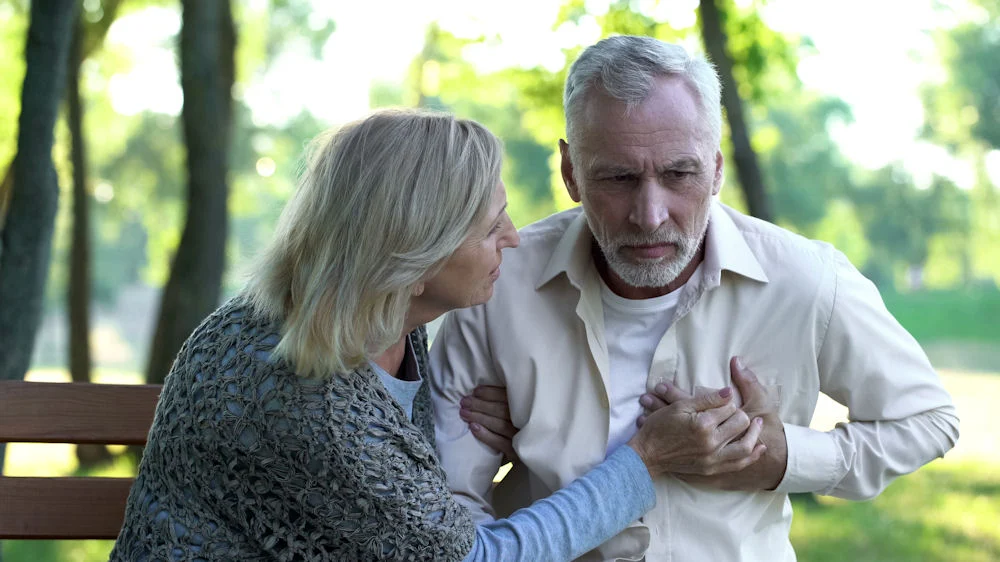
how does alcohol affect the heart

Common Warning Signs of Heart Damage

Substance-related heart damage often presents with physical symptoms that should not be ignored. These signs may develop gradually or appear suddenly.

Key warning signs include:

  • Chest pain or tightness: A feeling of pressure, squeezing, or burning in the chest may indicate reduced blood flow or an impending heart attack.
  • Shortness of breath: Difficulty breathing during normal activities, or even at rest, can signal heart failure or fluid buildup in the lungs.
  • Heart palpitations: A racing, pounding, or irregular heartbeat often points to arrhythmias caused by substance use.
  • Swelling in the legs or feet: Fluid retention in the extremities is a common sign of weakened heart function.
  • Fatigue and weakness: Reduced blood flow means less oxygen reaches muscles and organs, leading to persistent exhaustion.
  • Fainting or dizziness: Sudden loss of consciousness may indicate serious disruptions in heart rhythm or blood flow.

Recognizing these symptoms early can prevent life-threatening complications.

Why Early Detection Matters

Early detection of heart damage can make the difference between reversible injury and permanent disease. People with substance use disorders are significantly more likely to develop cardiovascular conditions compared to the general population.

how does intoxication affect the cardiovascular system

For example, studies show that rates of hypertension are dramatically higher among individuals with substance use disorders. Left untreated, high blood pressure can lead to heart attack, stroke, and kidney disease.

When heart issues are identified early, healthcare providers can begin treatment alongside addiction recovery. In some cases, the heart can partially or fully heal once substance use stops. In more advanced cases, early intervention can prevent further damage and improve quality of life.

Preventing Heart Complications During Recovery

Recovery is not just about stopping substance use; it also involves actively improving overall health. Protecting the heart during recovery requires ongoing care and lifestyle changes.

Effective strategies include:

  • Regular medical monitoring: Routine checkups, including EKGs and blood pressure screenings, help detect problems early.
  • Physical activity: Moderate, doctor-approved exercise strengthens the heart and improves circulation.
  • Healthy nutrition: A balanced diet low in sodium and unhealthy fats supports cardiovascular healing.
  • Stress management: Chronic stress can elevate blood pressure and strain the heart. Therapy, mindfulness, and peer support help manage stress effectively.
  • Medication adherence: Some individuals may need medications to manage blood pressure, heart rhythm, or other conditions.
  • Continued sobriety: Avoiding substance use is the most important factor in allowing the heart to recover.

These steps work together to reduce long-term cardiovascular risk and support overall recovery.

Drug Addiction Treatment at Bayview Recovery Center

When substance use has affected heart health, treatment must address both conditions simultaneously. Bayview Recovery Center offers programs specifically designed for men facing addiction alongside physical health complications.

Medical monitoring is a key component of care. During detox and treatment, healthcare providers track heart function and manage any cardiovascular symptoms that arise. This integrated approach ensures that physical health issues are not overlooked during recovery.

Bayview offers multiple levels of care, including:

By combining medical oversight with therapeutic support, Bayview helps clients stabilize both physically and emotionally.

Supporting Loved Ones at Risk

Family members and partners are often the first to notice changes in someone’s physical health. Recognizing early warning signs can lead to timely intervention and better outcomes.

Ways to support a loved one include:

  • Learning the physical signs of heart damage
  • Encouraging medical evaluation and screening
  • Supporting engagement in addiction treatment
  • Participating in family therapy when available

This support can be especially important for individuals who may avoid healthcare due to stigma or past negative experiences.
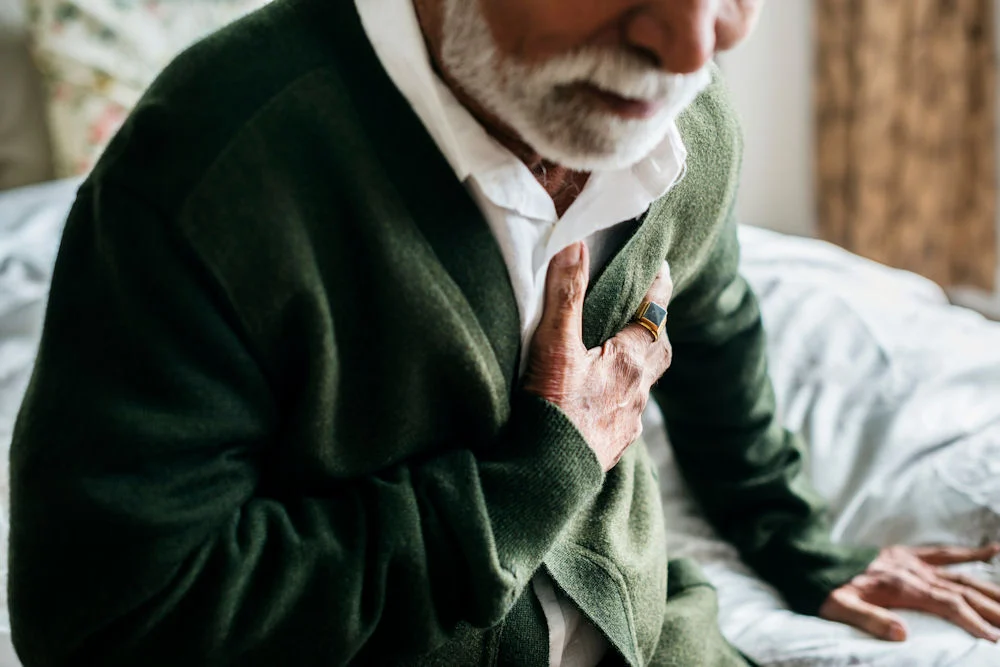
signs of heart damage from drugs

Long-Term Benefits of Integrated Care

Treating addiction and heart health together leads to better long-term outcomes. Integrated care ensures that both conditions are managed in a coordinated way, reducing the risk of complications and relapse.

Sobriety allows the body to begin healing. In some cases, heart function improves significantly over time. Ongoing medical care helps track recovery progress and address any lingering issues.

Long-term success depends on consistency, continuing treatment, attending follow-up appointments, and maintaining a healthy lifestyle, all of which contribute to improved heart health and sustained recovery.

Heart Damage From Drugs FAQs

Some forms of heart damage, such as early-stage cardiomyopathy or high blood pressure, may improve with sobriety and proper treatment. However, severe damage, like extensive scarring or valve destruction, is often permanent.

Yes. Stimulants like cocaine and methamphetamine can trigger heart attacks in young, otherwise healthy individuals due to sudden spikes in blood pressure and artery constriction.

Stimulants are the most common cause of sudden cardiac arrest due to their impact on heart rhythm. Opioids can also lead to cardiac arrest by suppressing breathing and reducing oxygen levels.

Injection drug use can introduce bacteria into the bloodstream, leading to infective endocarditis. This condition can severely damage heart valves and may require surgery

Early symptoms often include fatigue, shortness of breath, mild chest discomfort, and occasional heart palpitations. These signs should not be ignored, especially in individuals with a history of substance use.

Protect Your Heart While Recovering from Addiction

how does alcohol affect the cardiovascular systemAddiction recovery is about more than stopping substance use; it’s about rebuilding health and preventing future harm. The heart is especially vulnerable, and damage can persist even after substance use ends.

If you or someone you love is experiencing symptoms of heart damage, seeking professional help is essential. Early treatment can prevent serious complications and improve long-term outcomes. Contact us today.


Accessibility Toolbar


How Substance Use Impacts Heart Health: Signs, Risks, and Recovery

Substance use doesn’t just affect the brain; it can quietly and progressively damage the heart. In many cases, cardiovascular harm develops without obvious symptoms until it becomes severe or life-threatening. Chest pain, irregular heartbeat, shortness of breath, and persistent fatigue are often the first warning signs that something is wrong. These symptoms may appear suddenly after a single use of certain substances or develop gradually after prolonged use.

Understanding how substance use impacts heart health is critical, especially as addiction-related cardiovascular disease continues to rise. Research consistently shows a strong link between substance use and heart-related deaths, with men accounting for a significant majority. Certain populations, including gay and bisexual men, face even higher risks due to increased stimulant use and barriers to accessing healthcare.

Bayview Recovery Center in San Diego, California, recognizes that addiction is not just a behavioral issue; it is a full-body condition. Effective treatment must address both the physical and psychological impact of substance use. By understanding the risks to heart health, individuals and their families can take earlier action and pursue treatment that supports long-term recovery.

How Substance Use Affects the Heart

Different substances affect the cardiovascular system in different ways, but all forms of drug misuse place stress on the heart. This stress can disrupt electrical signals, damage blood vessels, and weaken the heart muscle over time.

The cardiovascular system relies on precise coordination between the heart, blood vessels, and brain. Drugs interfere with this system in several key ways:

  • Electrical dysfunction: Many substances disrupt the heart’s natural rhythm, leading to arrhythmias or irregular heartbeats. These can range from mild palpitations to life-threatening conditions like atrial fibrillation or ventricular tachycardia.
  • Structural damage: Chronic substance use can weaken and enlarge the heart muscle, a condition known as cardiomyopathy. Over time, scar tissue (fibrosis) may develop, permanently reducing the heart’s ability to pump blood effectively.
  • Vascular complications: Drugs can constrict blood vessels, increase blood pressure, and damage artery walls. This raises the risk of heart attack, stroke, and conditions like aortic dissection.
  • Infectious risks: Injection drug use introduces bacteria into the bloodstream, which can lead to infective endocarditis, a serious infection of the heart’s inner lining and valves.

Some of these effects happen immediately, while others develop slowly and worsen over time.

Short-Term vs. Long-Term Cardiovascular Effects

The impact of substance use on the heart can be divided into short-term and long-term effects. Understanding the difference can help identify when a temporary symptom may signal a more serious issue.

Short-term effects occur during or shortly after substance use. These may include spikes in heart rate, sudden increases in blood pressure, or irregular heart rhythms. In severe cases, a single use can trigger a heart attack or cardiac arrest.

Long-term effects develop with repeated use over time. These include chronic hypertension, persistent arrhythmias, heart muscle damage, and an increased risk of heart failure or stroke.

While short-term symptoms may seem to pass quickly, they often indicate underlying stress on the heart that can lead to lasting damage if substance use continues.

Drugs Most Harmful to Heart Health

Each type of substance poses unique risks to the cardiovascular system. Recognizing these differences helps guide both prevention and treatment.

Chronic heavy alcohol use weakens the heart muscle and can lead to alcoholic cardiomyopathy. This condition reduces the heart’s ability to pump blood efficiently, eventually leading to heart failure if untreated.

Stimulants such as cocaine and methamphetamine are among the most dangerous substances for heart health. They rapidly increase heart rate and blood pressure while constricting blood vessels. This combination can trigger heart attacks, arrhythmias, and sudden cardiac arrest, even in young, otherwise healthy individuals.

Opioids affect the heart more indirectly but are still dangerous. They suppress breathing, which reduces oxygen levels in the body and strains the heart. Opioid injection use significantly increases the risk of infective endocarditis, a life-threatening infection that can destroy heart valves.

  • Anabolic steroids are linked to significantly increased risks of cardiomyopathy and heart failure.
  • Benzodiazepines, particularly when misused over time, may contribute to weakened heart function.

Using multiple substances at once greatly increases cardiovascular risk. For example, combining cocaine and alcohol produces a toxic compound called cocaethylene, which places extreme strain on the heart and increases the likelihood of sudden death.

how does alcohol affect the heart

Common Warning Signs of Heart Damage

Substance-related heart damage often presents with physical symptoms that should not be ignored. These signs may develop gradually or appear suddenly.

Key warning signs include:

  • Chest pain or tightness: A feeling of pressure, squeezing, or burning in the chest may indicate reduced blood flow or an impending heart attack.
  • Shortness of breath: Difficulty breathing during normal activities, or even at rest, can signal heart failure or fluid buildup in the lungs.
  • Heart palpitations: A racing, pounding, or irregular heartbeat often points to arrhythmias caused by substance use.
  • Swelling in the legs or feet: Fluid retention in the extremities is a common sign of weakened heart function.
  • Fatigue and weakness: Reduced blood flow means less oxygen reaches muscles and organs, leading to persistent exhaustion.
  • Fainting or dizziness: Sudden loss of consciousness may indicate serious disruptions in heart rhythm or blood flow.

Recognizing these symptoms early can prevent life-threatening complications.

Why Early Detection Matters

Early detection of heart damage can make the difference between reversible injury and permanent disease. People with substance use disorders are significantly more likely to develop cardiovascular conditions compared to the general population.

how does intoxication affect the cardiovascular system

For example, studies show that rates of hypertension are dramatically higher among individuals with substance use disorders. Left untreated, high blood pressure can lead to heart attack, stroke, and kidney disease.

When heart issues are identified early, healthcare providers can begin treatment alongside addiction recovery. In some cases, the heart can partially or fully heal once substance use stops. In more advanced cases, early intervention can prevent further damage and improve quality of life.

Preventing Heart Complications During Recovery

Recovery is not just about stopping substance use; it also involves actively improving overall health. Protecting the heart during recovery requires ongoing care and lifestyle changes.

Effective strategies include:

  • Regular medical monitoring: Routine checkups, including EKGs and blood pressure screenings, help detect problems early.
  • Physical activity: Moderate, doctor-approved exercise strengthens the heart and improves circulation.
  • Healthy nutrition: A balanced diet low in sodium and unhealthy fats supports cardiovascular healing.
  • Stress management: Chronic stress can elevate blood pressure and strain the heart. Therapy, mindfulness, and peer support help manage stress effectively.
  • Medication adherence: Some individuals may need medications to manage blood pressure, heart rhythm, or other conditions.
  • Continued sobriety: Avoiding substance use is the most important factor in allowing the heart to recover.

These steps work together to reduce long-term cardiovascular risk and support overall recovery.

Drug Addiction Treatment at Bayview Recovery Center

When substance use has affected heart health, treatment must address both conditions simultaneously. Bayview Recovery Center offers programs specifically designed for men facing addiction alongside physical health complications.

Medical monitoring is a key component of care. During detox and treatment, healthcare providers track heart function and manage any cardiovascular symptoms that arise. This integrated approach ensures that physical health issues are not overlooked during recovery.

Bayview offers multiple levels of care, including:

By combining medical oversight with therapeutic support, Bayview helps clients stabilize both physically and emotionally.

Supporting Loved Ones at Risk

Family members and partners are often the first to notice changes in someone’s physical health. Recognizing early warning signs can lead to timely intervention and better outcomes.

Ways to support a loved one include:

  • Learning the physical signs of heart damage
  • Encouraging medical evaluation and screening
  • Supporting engagement in addiction treatment
  • Participating in family therapy when available

This support can be especially important for individuals who may avoid healthcare due to stigma or past negative experiences.

signs of heart damage from drugs

Long-Term Benefits of Integrated Care

Treating addiction and heart health together leads to better long-term outcomes. Integrated care ensures that both conditions are managed in a coordinated way, reducing the risk of complications and relapse.

Sobriety allows the body to begin healing. In some cases, heart function improves significantly over time. Ongoing medical care helps track recovery progress and address any lingering issues.

Long-term success depends on consistency, continuing treatment, attending follow-up appointments, and maintaining a healthy lifestyle, all of which contribute to improved heart health and sustained recovery.

Heart Damage From Drugs FAQs

Some forms of heart damage, such as early-stage cardiomyopathy or high blood pressure, may improve with sobriety and proper treatment. However, severe damage, like extensive scarring or valve destruction, is often permanent.

Yes. Stimulants like cocaine and methamphetamine can trigger heart attacks in young, otherwise healthy individuals due to sudden spikes in blood pressure and artery constriction.

Stimulants are the most common cause of sudden cardiac arrest due to their impact on heart rhythm. Opioids can also lead to cardiac arrest by suppressing breathing and reducing oxygen levels.

Injection drug use can introduce bacteria into the bloodstream, leading to infective endocarditis. This condition can severely damage heart valves and may require surgery

Early symptoms often include fatigue, shortness of breath, mild chest discomfort, and occasional heart palpitations. These signs should not be ignored, especially in individuals with a history of substance use.

Protect Your Heart While Recovering from Addiction

how does alcohol affect the cardiovascular systemAddiction recovery is about more than stopping substance use; it’s about rebuilding health and preventing future harm. The heart is especially vulnerable, and damage can persist even after substance use ends.

If you or someone you love is experiencing symptoms of heart damage, seeking professional help is essential. Early treatment can prevent serious complications and improve long-term outcomes. Contact us today.

Making Recovery Accessible

Access to addiction treatment shouldn’t be limited by finances. At Bayview Recovery Center, we focus on providing affordable, high-quality recovery programs for men who need support but may lack insurance or resources. Our goal is to ensure that cost is never the reason someone doesn’t receive the help they deserve.

Alyssa Looser-Smith

Alyssa Looser-Smith (Medical Reviewer)

Alyssa is a licensed Clinical Social Worker and received her Master’s degree from San Diego State University. She has experience working with individuals in recovery of all ages for over eight years. Alyssa has also worked with at-risk homeless foster youth transitioning into independent living along with the families in the neonatal intensive care unit at UCSD.

Table of Contents
Scroll to Top